Impact strength problems usually appear late: a tab cracks during assembly, a bracket breaks after a drop test, or a plastic housing survives machining but fails when a screw boss is loaded. The material datasheet matters, but it is only part of the decision. For CNC machined parts, impact performance also depends on notch sensitivity, wall thickness, sharp internal corners, temperature, fastener preload, and how the part is inspected after machining.
Source: Wikimedia Commons / NideloK, CC0.
Define the Impact Event Before Selecting a Material
Impact strength is useful only when it is tied to a real loading event. A dropped handheld device, a machine guard strike, a clamp arm crash, and a shipping shock do not stress a part in the same way. Before choosing aluminum, steel, stainless steel, acetal, polycarbonate, nylon, PEEK, or another material, describe the direction, contact area, temperature, number of events, and whether the part can deform or must remain dimensionally stable.
This definition prevents two common quoting errors. First, buyers sometimes request “high impact material” without explaining the geometry or failure mode. Second, suppliers may quote a tough material while leaving a sharp internal corner, thin wall, or cross-drilled hole that becomes the real crack starter. The material choice and the DFM review need to happen together.
Material Shortlist for Impact-Loaded CNC Parts
| Material family | Why buyers consider it | Impact-related caution |
|---|---|---|
| Aluminum alloys | Good strength-to-weight ratio, fast machining, good finish options | Sharp corners, thin lugs, and threaded features can still crack under shock. |
| Carbon or alloy steel | High strength and stiffness for brackets, shafts, and tooling components | Heat treatment, coating, and notch detail can change real toughness. |
| Stainless steel | Strength plus corrosion resistance for harsh environments | Cost and machining difficulty may be higher; grade choice matters. |
| Acetal/POM | Stable engineering plastic for gears, guides, and fixtures | May not be the right choice for severe impact or low-temperature shock. |
| Polycarbonate | Often considered for impact-resistant transparent or protective parts | Machining stress, cracking, and cosmetic requirements need supplier review. |
| Nylon/PA | Tough and wear-resistant in many mechanical parts | Moisture absorption can affect dimensions and mechanical behavior. |
| PEEK | High-performance polymer for demanding environments | Expensive; use only when temperature, chemical, or performance needs justify it. |
If the part is also exposed to wear, do not confuse impact strength with wear resistance. They are different failure modes. CNCMAVEN’s article on wear-resistant CNC machined parts explains why hardness alone is not enough; the same logic applies here. Ask which failure you are preventing before upgrading the material.
Geometry Often Controls Impact Performance More Than the Datasheet
A strong material can fail early when the geometry concentrates stress. Thin tabs, square inside corners, threaded holes near edges, sudden wall transitions, keyways, and small retaining features are common weak points. Impact-loaded CNC parts should be reviewed as load paths, not just shapes.
- Increase internal radii where load changes direction; avoid sharp milled pockets in high-stress corners.
- Move holes, slots, and threads away from the highest bending or impact zone when the assembly allows it.
- Use ribs, bosses, or local thickness only where they support the actual load path.
- Avoid making the whole part thicker when one local feature is the failure point.
- Check whether surface finishing, anodizing, heat treatment, or deburring could change edge condition at critical zones.
- For plastic parts, review screw boss design, clamp loads, and possible stress cracking from cleaners or assembly fluids.
Use Testing Language Carefully in the RFQ
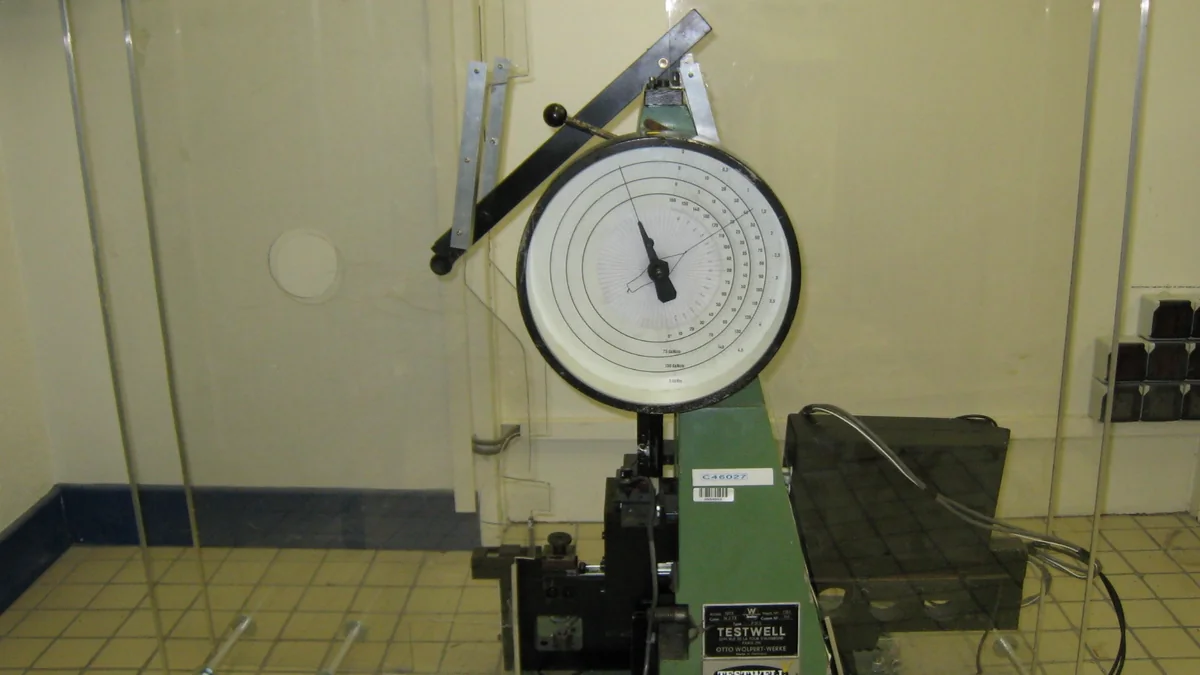
Charpy and Izod impact values can help compare materials, but they do not automatically predict how a finished CNC part will survive a real drop, strike, or crash. Test specimens have controlled geometry; production parts have pockets, threads, surface marks, coatings, and assembly loads. Use datasheet impact values as a screening tool, then define the functional test or inspection method for the actual component.
For production work, connect impact concerns to a practical quality plan. If the buyer needs first-article inspection, sample destructive testing, drop testing, or dimensional checks after load testing, that requirement belongs in the quote package. CNCMAVEN’s CNC RFQ package guide and inspection guide are useful companion references.
Impact Strength DFM Checklist
| Check item | Question to answer | Why it matters |
|---|---|---|
| Load direction | Where does the impact force enter and where is it supported? | The strongest material cannot fix a poor load path. |
| Corner radii | Are internal corners large enough for both tooling and stress reduction? | Sharp corners create crack starters. |
| Wall thickness | Are thin tabs or local neck-downs carrying the load? | Local geometry often fails before the main body. |
| Holes and threads | Are holes too close to edges or impact zones? | Threads and holes reduce section strength. |
| Temperature | Will the part see cold, heat, or cycling? | Some plastics and metals behave differently outside room temperature. |
| Finish condition | Could coating, deburring, or machining marks affect critical edges? | Surface condition influences crack initiation. |
| Inspection | How will the supplier verify the risky feature? | The RFQ should turn risk into an acceptance check. |
When to Change the Process Instead of the Material
CNC machining is excellent for accurate prototypes, fixtures, low-volume components, and production parts with controlled geometry. But if an impact-loaded part needs long fiber reinforcement, molded-in ribs, large hollow geometry, or very low unit cost at high volume, another process may be more appropriate. Injection molding, compression molding, forging, casting, or sheet metal fabrication can sometimes create a better impact structure than machining a block of material.
That does not mean the CNC route is wrong. It means the buyer should compare function, volume, tooling cost, lead time, and risk. For example, machined aluminum may be best for a low-volume bracket that needs tight interfaces, while a molded plastic part may be better for a high-volume protective housing. If cost pressure is driving the decision, review CNCMAVEN’s guide on reducing CNC machining costs before removing material from impact-critical areas.
Supplier Questions That Prevent Late Failure
- Which feature is most likely to fail under the expected impact load?
- Would a larger radius, moved hole, or thicker local section reduce the risk more than changing material?
- Does the selected material become brittle at the expected service temperature?
- Will finishing, heat treatment, or deburring change the critical edge condition?
- Can the first article include a functional load, drop, or assembly test instead of only dimensional inspection?
- If the part fails, what design change would be fastest to machine and retest?
Conclusion
For impact-loaded CNC parts, material selection should start with the event you are trying to survive. Define the load, review the geometry, identify crack starters, and decide how the part will be tested. A tougher alloy or polymer can help, but the best result usually comes from combining the right material with better radii, hole placement, wall transitions, finishing notes, and inspection criteria.