Sheet metal forming is the process of turning flat sheet material into useful three-dimensional parts through controlled force. Instead of removing material like CNC milling or turning, forming reshapes the sheet by bending, stretching, drawing, or pressing it into the required geometry.
For product teams, sheet metal forming is valuable because it can produce lightweight, strong, and cost-effective parts such as brackets, panels, covers, chassis, clips, shields, and enclosures. The key is to design around the forming process from the beginning rather than treating the flat sheet as if it were a machined block.
What Is Sheet Metal Forming?
Sheet metal forming is a group of manufacturing processes that plastically deform sheet material into a new shape. The material is not melted, and in most forming operations it is not cut away except where holes, slots, or profiles are added by shearing, punching, or laser cutting.
Common sheet metal forming processes include bending, stamping, deep drawing, roll forming, stretching, flanging, hemming, and coining. Each process uses different tooling and creates different types of geometry. A single part may require several operations before it is ready for finishing and assembly.
Common Sheet Metal Forming Processes
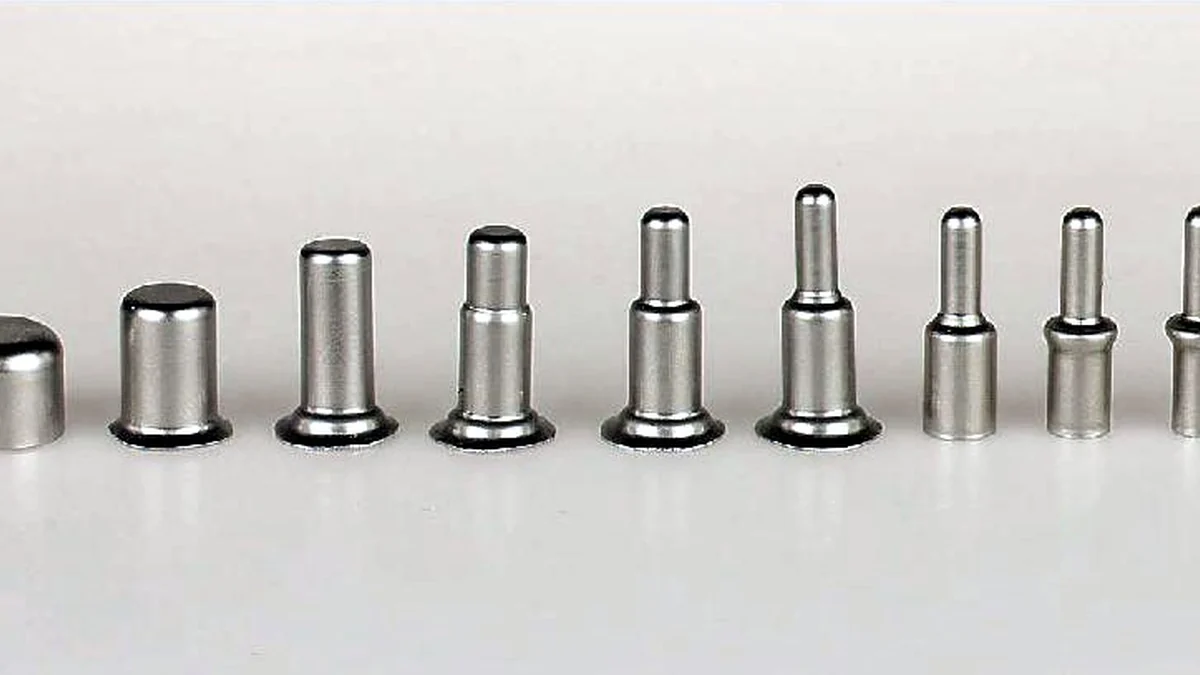
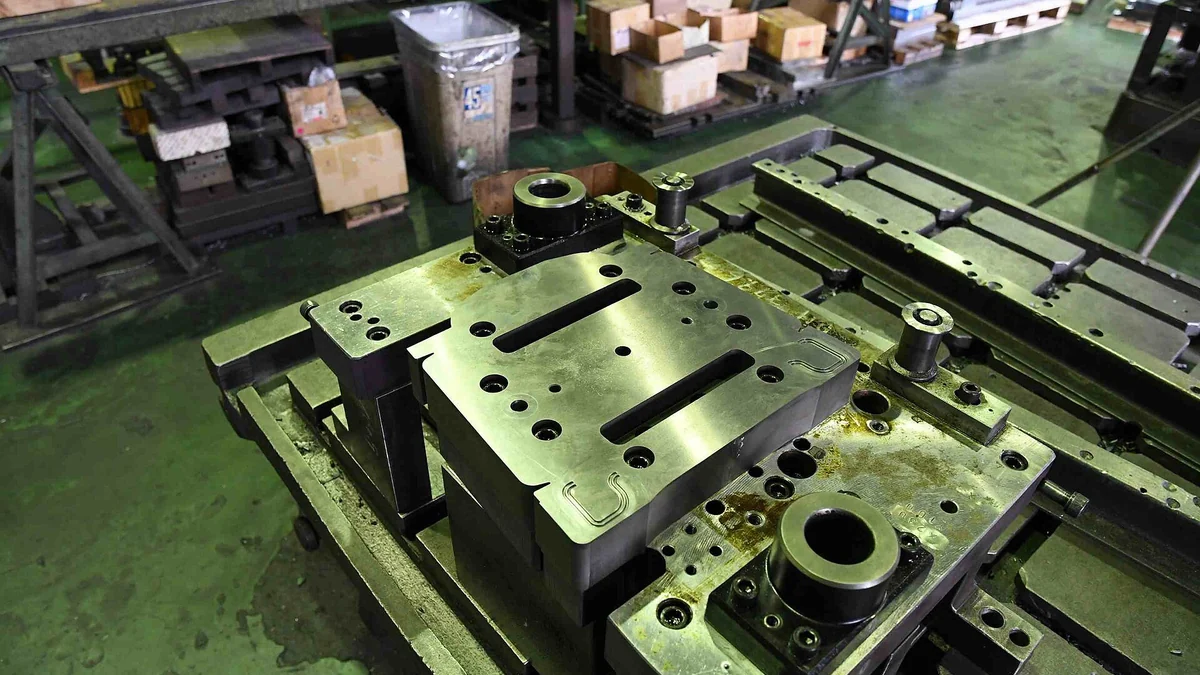
Source: Wikimedia Commons / Pressteck Italy.
The best forming process depends on the part shape, material, thickness, tolerance requirements, production volume, and tooling budget.
- Bending: Creates angles and flanges using a press brake or die set.
- Stamping: Uses a press and tooling to cut, form, or emboss features, often for higher volumes.
- Deep drawing: Pulls sheet into a die cavity to create cups, shells, and housings.
- Roll forming: Passes sheet through roller sets to create long profiles.
- Flanging and hemming: Forms edges for stiffness, safety, or assembly.
For CNC-related projects, sheet metal forming often works alongside machining. Machined inserts, threaded components, standoffs, or precision blocks may be assembled with formed sheet parts to create a complete product.
Materials Used in Sheet Metal Forming
Aluminum, mild steel, stainless steel, galvanized steel, brass, and copper alloys are common choices for sheet metal forming. Material selection affects strength, corrosion resistance, surface appearance, bendability, springback, cost, and finishing options.
Aluminum is lightweight and easy to form in many grades, making it popular for covers, panels, and electronic enclosures. Mild steel is cost-effective and strong. Stainless steel offers corrosion resistance but requires more force and careful springback control. Copper and brass are often selected for conductivity, appearance, or specialized hardware.
Design Considerations for Formed Sheet Metal Parts
Good sheet metal design starts with manufacturability. Bend radius, hole placement, flange length, material grain direction, relief cuts, and tolerance stack-up all affect whether a part can be produced reliably.
Features should not be placed too close to bends, because deformation can distort holes and slots. Sharp internal corners should be avoided where possible. If a part includes multiple bends, the bend sequence must allow tooling access. For formed parts that mate with CNC machined components, designers should identify which dimensions are critical after forming.
DFM thinking matters here just as much as it does in machining. If you are also designing milled features or machined mating parts, reviewing DFM considerations for CNC milling can help reduce avoidable manufacturing issues.
Sheet Metal Forming vs. CNC Machining
Sheet metal forming is usually better for thin-walled, lightweight parts with consistent thickness. CNC machining is better for solid parts, tight 3D geometry, precision pockets, threads, bosses, and features that require material removal.
Many products use both. A formed enclosure may be paired with CNC machined heat sinks, brackets, hinges, or precision mounting blocks. Choosing the right process for each component helps control cost while keeping the final assembly functional.
When Should You Choose Sheet Metal Forming?
Choose sheet metal forming when the part can be made from flat stock, needs a high strength-to-weight ratio, and benefits from lower material waste compared with machining from billet. It is especially useful for enclosures, brackets, covers, panels, shields, trays, and structural supports.
For very low quantities, laser cutting and press brake bending may be more economical than hard tooling. For high-volume parts with repeated features, stamping or progressive tooling may reduce unit cost. The best route depends on the part design and expected production quantity.
Conclusion
Sheet metal forming is a practical manufacturing route for lightweight, durable, and cost-efficient metal parts. The most successful projects define material, bend requirements, tolerances, finishing, and assembly needs early. CNCMAVEN can help review your part geometry and determine whether Sản xuất và gia công kim loại tấm, CNC machining, or a combined manufacturing approach is the best fit.