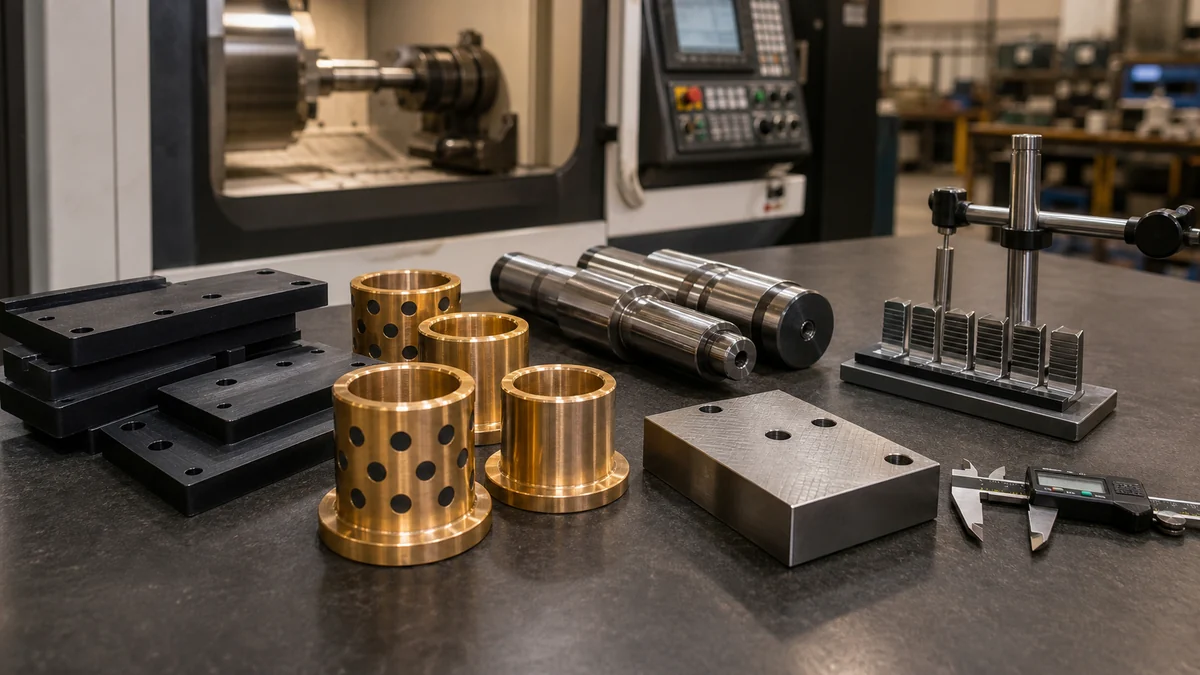
Wear-resistant CNC parts are not chosen by hardness alone. A hard steel shaft can damage a softer mating part. A low-friction plastic can creep under load. A bronze bushing can work well with lubrication but still fail if the shaft finish is wrong. Wear is a system problem: material pair, contact pressure, motion, lubrication, contamination, finish, heat, and inspection all matter.
This guide helps buyers specify machined wear parts before asking for a quote.
Define the wear condition before choosing material
Start by describing how the part moves. Sliding contact, rotating contact, intermittent impact, abrasive dust, dry running, and lubricated motion lead to different choices. A conveyor guide, press wear plate, hinge bushing, pump spacer, and hardened locating pin do not need the same material strategy. The supplier needs to know which surface touches what, how fast it moves, how much load it carries, and whether lubrication is available.
| Wear condition | Likely material direction | What the buyer must confirm |
|---|---|---|
| Dry sliding | Low-friction plastics such as acetal, UHMW, PTFE, or PEEK may fit. | Load, temperature, creep risk, and mating surface roughness. |
| Lubricated bushing | Bronze or engineered bearing materials may fit. | Lubricant type, shaft hardness, clearance, and groove requirements. |
| Abrasive contact | Hardened steel, tool steel, coating, or replaceable wear liner may be needed. | Particle type, replacement interval, and whether the part can be sacrificial. |
| High load with precision | Hardened steel, stainless, or tool steel with controlled finish may be required. | Heat treatment, distortion control, and post-machining inspection. |
| Chemical or washdown area | Stainless steel, PEEK, PTFE, or selected plastics may fit. | Chemical exposure, cleaning temperature, and corrosion requirements. |
Choose the material pair, not just the wear part
A wear part works against another surface. If both surfaces are hard and poorly lubricated, they may gall or seize. If one side is a replaceable plastic guide, it can protect a more expensive metal rail. If the bushing is bronze, the shaft finish and hardness affect life. Buyers should specify the mating material and whether the wear component is meant to protect the assembly or to last as long as possible.
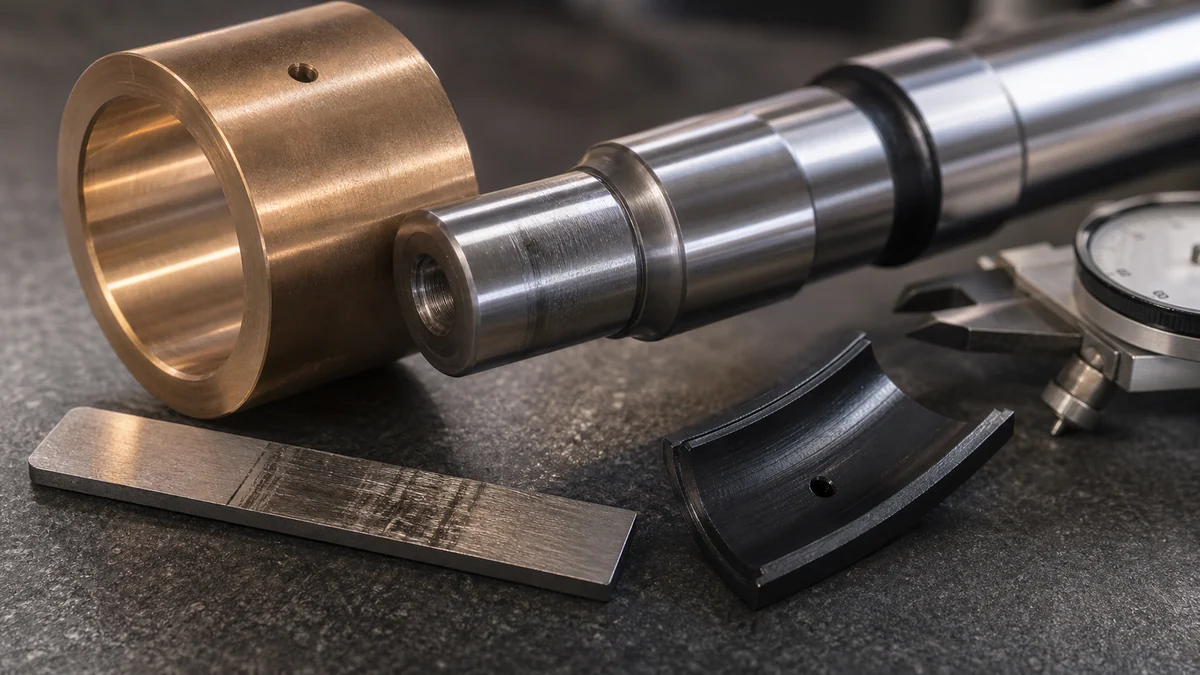
For machined plastic wear parts, moisture absorption, thermal expansion, and creep can matter as much as friction. For machined metals, heat treatment and surface finish may control performance more than the base alloy name.
Common wear failures and how to prevent them
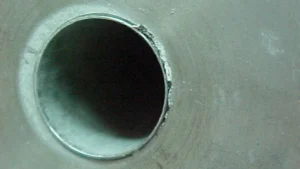
Most wear problems are visible before full failure if the inspection plan looks for the right symptoms. Uneven polish marks can indicate misalignment. Scoring can point to abrasive contamination or poor finish. Oval holes can indicate insufficient bearing area. Cracked plastic around fasteners can point to clamp load or insert design rather than material weakness.
| Failure sign | Probable cause | Prevention before quoting |
|---|---|---|
| Scoring or grooves | Hard particles, poor lubrication, or rough mating surface. | Define operating environment, specify finish, and consider sealing or replaceable liners. |
| Plastic creep or deformation | Load and temperature exceed the material’s practical limit. | Increase bearing area, choose a stronger material, or reduce clamp stress. |
| Galling | Poor material pairing, high pressure, or insufficient lubrication. | Review mating materials and use suitable finish, lubricant, or coating strategy. |
| Uneven wear | Misalignment, poor flatness, or inconsistent contact pressure. | Define datums, flatness needs, and assembly method. |
| Cracking near holes | Sharp corners, over-tightening, or insert stress. | Add radii, washers, inserts, or controlled torque requirements. |
DFM details for machined wear components
- Use replaceable wear pads or bushings when the main assembly is expensive.
- Call out running clearance where sliding or rotating fit matters.
- Specify surface finish on the actual contact face, not every face.
- Plan lubrication grooves only when the assembly will actually use lubricant.
- Avoid sharp internal corners in plastic guides and loaded bushings.
- Confirm whether heat treatment happens before or after machining for hardened metal parts.
Inspection requirements should follow the wear risk
For wear parts, inspection should include the functional faces and fits. A bushing may need ID, OD, concentricity, and chamfer checks. A shaft may need diameter, straightness, surface finish, and hardness confirmation. A plastic slide plate may need thickness, flatness, and hole location. If the part is a repeat order, ask the supplier to keep a simple lot record so wear-related failures can be traced to material, finish, or geometry changes.
For metal wear parts, compare material and heat-treatment needs with CNCMAVEN’s tool steel CNC machining and heat-treatment guide. For corrosion or washdown applications, the stainless steel CNC machining guide may help. CNCMAVEN’s CNC machining services can support both machined metal and plastic components.
RFQ details that prevent the wrong wear material
A wear-part RFQ should describe the operating pair, not only the component being purchased. State the mating material, the approximate load, whether the motion is sliding or rotating, whether lubrication is planned, and whether dust, chips, coolant, food residue, or cleaning chemicals can reach the contact surface. If the wear part is sacrificial, say so clearly; the supplier can then prioritize replaceability and stable fit over maximum hardness.
For repeat parts, include the expected replacement interval or the failure mode from the previous design. A short note such as “current acetal guide wears at the loaded corner after six weeks” gives the supplier more useful context than “need better material.” If the part has a critical running clearance, define the mating shaft or rail size and the inspection method. If the contact surface needs a specific roughness, call out that face only instead of tightening the entire drawing.
Surface finish and secondary processing choices
Material selection and surface condition should be reviewed together. A hardened steel wear plate may still need grinding or a controlled machined finish. A stainless sliding part may need a pairing strategy to reduce galling risk. A bronze bushing may need oil grooves or a chamfer that helps assembly without scraping the shaft. Plastic wear strips may need rounded entry edges so the mating part does not dig into the surface.
- Ask whether heat treatment will change dimensions and whether finish machining is needed afterward.
- Define burr limits on contact edges, not only the outside profile.
- Review coating thickness where parts slide, rotate, or fit into a pocket.
- Keep spare-part drawings consistent so replacement wear components match older assemblies.
FAQ
Is harder material always better for wear resistance?
No. Hardness helps in some abrasive or high-load conditions, but friction, lubrication, mating material, surface finish, heat, and contamination can matter more.
What materials are common for CNC machined wear parts?
Common choices include bronze, hardened steel, tool steel, stainless steel, acetal, UHMW, PTFE, nylon, and PEEK. The best choice depends on load, motion, environment, and mating surface.
Should wear parts be designed as replaceable components?
Often yes. A replaceable wear pad, bushing, liner, or guide can protect a more expensive frame, shaft, or housing and simplify maintenance.