Corrosion resistance is not a single material property you can add at the end of a CNC project. It is a design decision that connects the alloy, machined geometry, surface finish, assembly hardware, cleaning method, and the environment where the part will work. If the drawing only says “corrosion resistant,” a supplier may quote stainless steel, anodized aluminum, plated steel, or a polymer part, and each option can fail for a different reason.
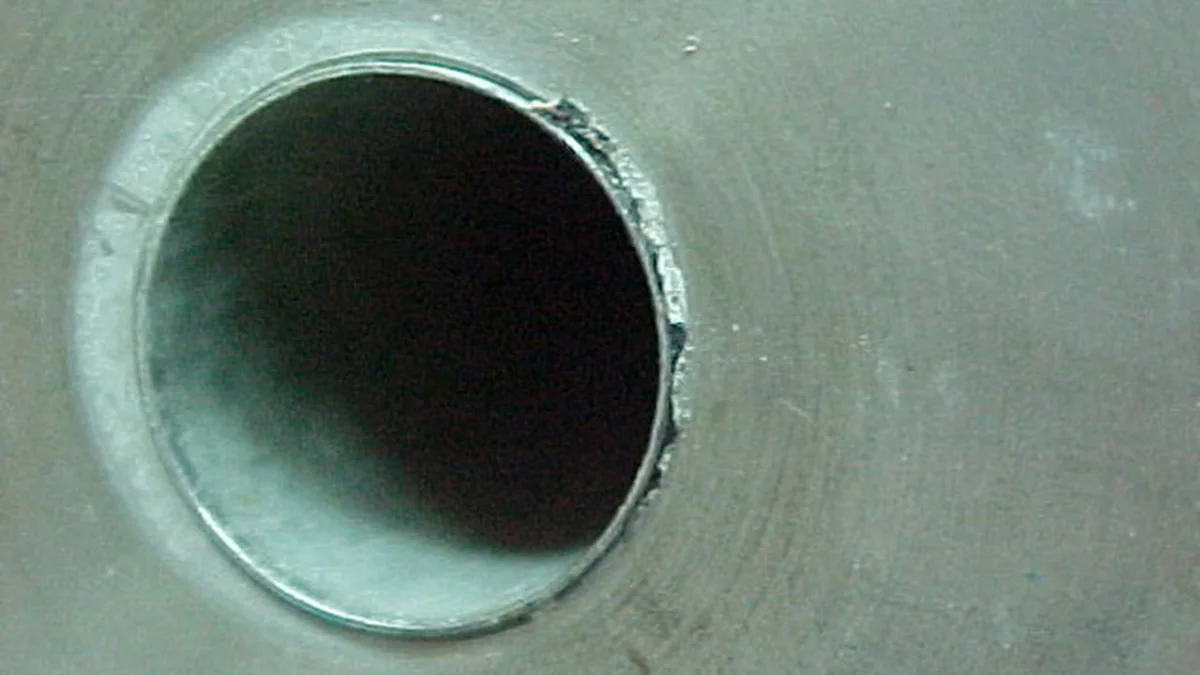
Source: Wikimedia Commons / Cjp24, CC BY-SA 3.0.
Start With the Service Environment, Not the Material Name
The right corrosion-resistant CNC material depends on what the part will actually see in service. Indoor electronics hardware, food equipment, marine brackets, chemical fixtures, and outdoor housings do not share the same risk profile. Before choosing a material, define whether the part faces humidity, salt spray, cleaning chemicals, coolant, skin contact, galvanic contact, temperature cycling, or trapped moisture.
This matters because the most common mistake is specifying an expensive alloy without removing the real corrosion driver. A stainless steel bracket can still stain in a chloride-rich environment if crevices trap moisture. An anodized aluminum housing can look excellent until a masked thread, sharp edge, or post-machined surface exposes bare aluminum. Carbon steel can be economical when the coating system is specified clearly, but risky if edges, threads, or weld-adjacent areas are left undefined.
| Service condition | Usually safer starting point | Watch-outs for CNC buyers |
|---|---|---|
| Indoor dry assembly | Aluminum, stainless steel, plated carbon steel | Confirm cosmetic finish, fingerprints, storage humidity, and galvanic contact. |
| Outdoor rain or humidity | Anodized aluminum, stainless steel, powder coated steel | Specify drainage, edge radii, coating coverage, and exposed threaded areas. |
| Salt or chloride exposure | 316 stainless, suitable polymers, sealed/coated aluminum | Avoid crevices and mixed-metal contact unless the assembly design controls it. |
| Chemical cleaning or fluid contact | PTFE, PEEK, selected stainless grades, compatible coatings | Ask for chemical concentration, temperature, and exposure time before quoting. |
| Wear plus corrosion | Electroless nickel, hard anodize, stainless where suitable | Separate wear surfaces from cosmetic surfaces in the drawing. |
Choose Between Stainless, Aluminum, Coated Steel, and Engineering Plastics
For machined metal parts, stainless steel is often the first material engineers consider. It is a good choice when strength, cleanability, and corrosion resistance are all required, but it is not automatically the lowest-risk option. CNCMAVEN already covers stainless considerations in its stainless steel CNC machining guide; the short version is that grade choice, machining stress, surface condition, and passivation expectations should be defined before the RFQ is released.
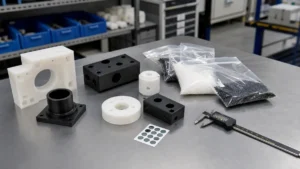
Aluminum is attractive when weight, machining speed, and appearance matter. Anodizing can improve corrosion resistance, but it is not a cure for every environment. Sharp internal corners, masked bores, threaded holes, and post-machined features can become weak points. Carbon steel can still be the practical choice for brackets, frames, and fixtures if coating requirements are clear. When the part is exposed to chemicals rather than weather, engineering plastics may be a better starting point than metal; see CNCMAVEN’s engineering plastics material selection article for tolerance and material tradeoffs.
Design Details That Quietly Reduce Corrosion Risk
Corrosion problems often start in small geometry decisions. A part with pockets, blind holes, lap joints, tight part-to-part interfaces, or horizontal ledges can hold liquid after cleaning or outdoor exposure. A coating may pass flat-panel testing while the real part fails at a sharp edge or around a countersink because film thickness is reduced in those areas.
- Add drain paths where water, coolant, or cleaning solution can collect.
- Use generous edge breaks when the coating or anodized layer must cover corners consistently.
- Avoid unnecessary crevices between washers, spacers, brackets, and mating plates.
- Keep dissimilar metals separated or specify insulating washers where galvanic contact is possible.
- Call out masked threads, sealing faces, bearing bores, and electrical contact points before coating.
- Do not tighten cosmetic surface roughness unless the finish supplier says it helps the coating system.
Specify the Surface Treatment as a Functional Requirement
A finish line such as “black anodize” or “zinc plate” is rarely enough for a corrosion-critical component. The supplier needs to know which surfaces are functional, which are cosmetic, which must remain conductive, and which cannot gain coating thickness. For aluminum parts, anodizing type and color matter. For steel parts, plating, powder coating, e-coating, or paint systems each change thread fit, edge coverage, cost, and inspection. Related CNCMAVEN references include powder coating specification guidance and electroless nickel plating for CNC parts.
| Finish or treatment | Best used when | RFQ detail to include |
|---|---|---|
| Passivation | Stainless parts need improved surface cleanliness after machining | Grade, cleaning expectations, critical surfaces, and whether appearance matters. |
| Anodisasi | Aluminum needs improved appearance and moderate corrosion resistance | Type, color, sealing, masking, contact points, and post-machining restrictions. |
| Powder coating | Steel or aluminum parts need durable cosmetic coverage | Color, gloss, masking, threads, edge breaks, and acceptance criteria for orange peel or chips. |
| Electroless nickel | Uniform coating is needed on complex metal geometry | Thickness range, masking, wear surfaces, and whether heat treatment is allowed. |
| Material change | The environment is too aggressive for the current metal | Chemical exposure, temperature, load, tolerance, and cost limit. |
RFQ Checklist for Corrosion-Resistant CNC Parts
Good suppliers can help choose a material or finish, but only if the quote package describes the exposure. CNCMAVEN’s CNC quote package guide explains the broader RFQ structure; for corrosion-resistant parts, add these items before price comparison.
- Operating environment: indoor, outdoor, marine, chemical, food-contact, medical-adjacent, or coolant exposure.
- Exposure details: liquid type, concentration, temperature, cleaning frequency, and expected service life.
- Assembly context: mating metals, fasteners, seals, washers, adhesives, and areas that trap liquid.
- Critical surfaces: cosmetic faces, sealing faces, electrical contact points, threaded holes, and bearing seats.
- Finish requirements: coating type, color, thickness range if required, masking, and acceptance criteria.
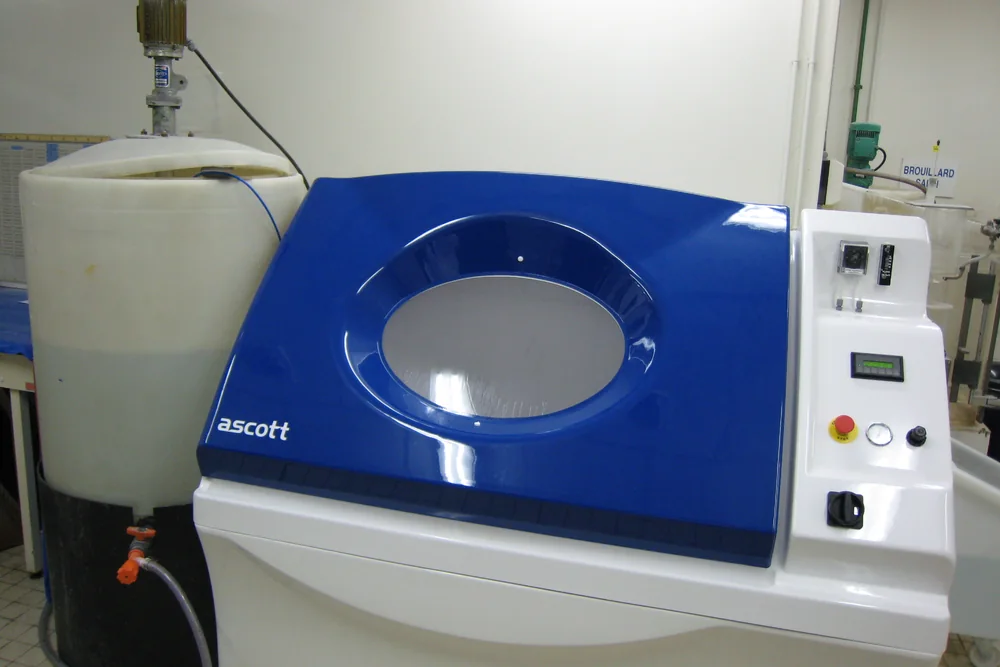
- Inspection needs: visual standard, coating thickness check, salt spray requirement if meaningful, and sample approval.
How to Review Supplier Recommendations
When a supplier suggests a corrosion-resistant option, review the recommendation against the actual failure mode. A material upgrade may help, but it can also raise cost while leaving liquid traps unchanged. A coating may solve appearance issues while adding thickness to threads or bores. A polymer may resist chemicals but move more with temperature or moisture than the original metal design allowed.
The practical review is simple: ask what problem the recommendation solves, what new manufacturing risk it introduces, and how that risk will be checked before shipment. For inspection planning, connect finish requirements to the quality plan rather than treating them as cosmetic notes. CNCMAVEN’s quality CNC machining inspection guide gives a useful framework for defining what must be verified before parts ship.
Common Failure Modes to Prevent Before Machining
| Failure mode | Typical cause | Prevention before RFQ |
|---|---|---|
| Rust at edges or chips | Coating too thin at sharp edges or damaged during handling | Add edge breaks, packaging requirements, and coating acceptance criteria. |
| Staining around fasteners | Dissimilar metals or trapped moisture | Review fastener material, washers, drainage, and assembly stack-up. |
| Thread fit after coating | Coating thickness not masked or chased correctly | Call out masked threads or post-finish thread requirements. |
| Pitting in pockets | Chloride exposure plus stagnant moisture | Add drain paths, change alloy, or use a better sealing strategy. |
| Finish mismatch | Different batches, processes, or surface preparation | Request samples, define cosmetic faces, and avoid vague color notes. |
Conclusion
For corrosion-resistant CNC parts, the best choice is rarely “the strongest stainless steel” or “the thickest coating.” It is the combination of material, geometry, finish, masking, and inspection that fits the service environment. Define the exposure, mark critical surfaces, remove moisture traps where possible, and ask suppliers to quote the risk-control plan as well as the part price.