


Đúc thổi
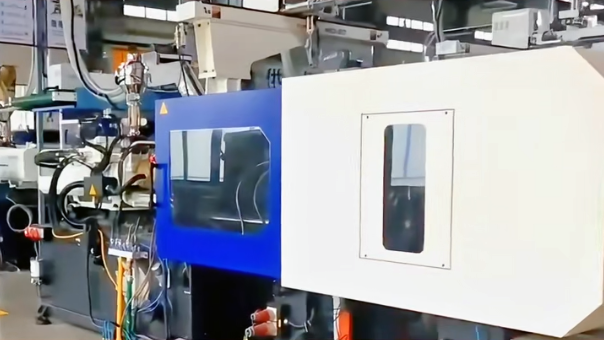
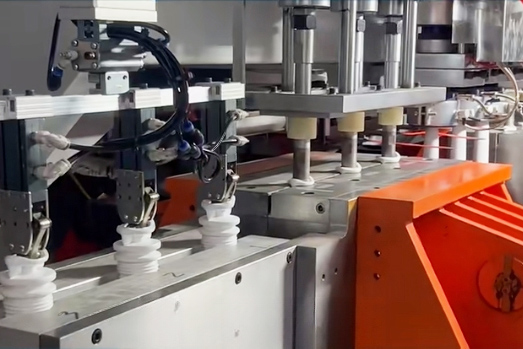
Quá trình ép thổi bao gồm việc ép vật liệu nhựa nhiệt dẻo nóng chảy vào khuôn và thổi khí vào bên trong để làm phồng vật liệu, ép sát vào thành khuôn. Sau khi làm mát và đông cứng, hình dạng sản phẩm mong muốn được hình thành.
Ép đùn
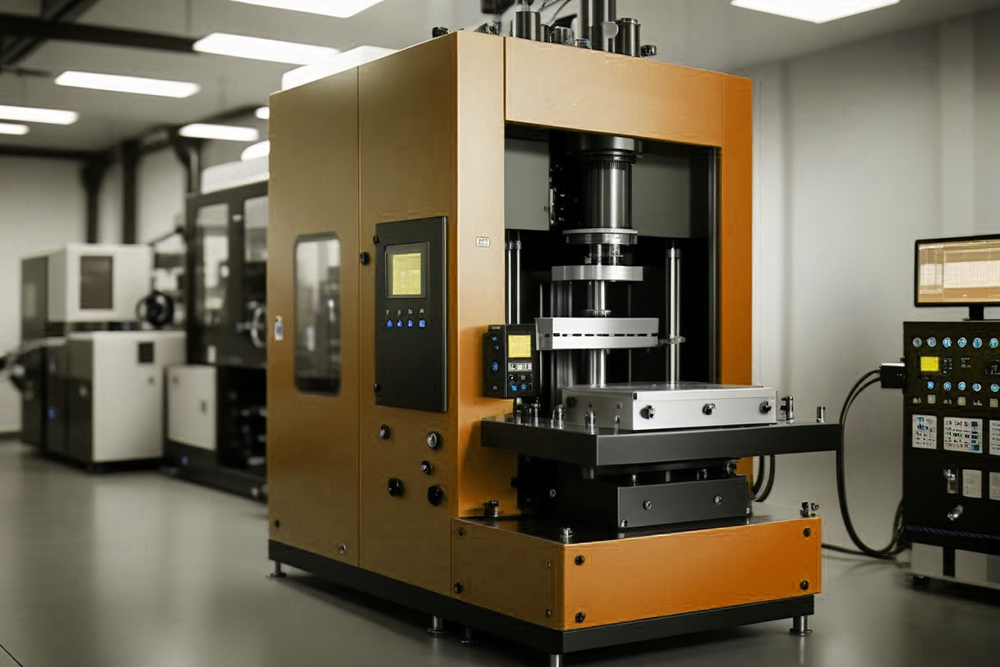
Ép đùn là phương pháp chủ yếu để đúc nhựa nhiệt rắn và có hai loại: ép đùn và ép chuyển, tùy thuộc vào đặc tính vật liệu và thiết bị gia công.
Đúc chèn
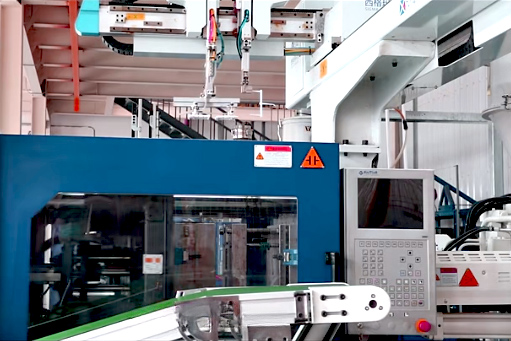
Đúc chèn là quá trình đúc trong đó một chi tiết chèn được làm sẵn từ vật liệu khác được đặt vào khuôn, sau đó nhựa lỏng được bơm vào. Vật liệu nóng chảy sẽ kết dính và đông cứng với chi tiết chèn, tạo thành một sản phẩm tích hợp duy nhất.
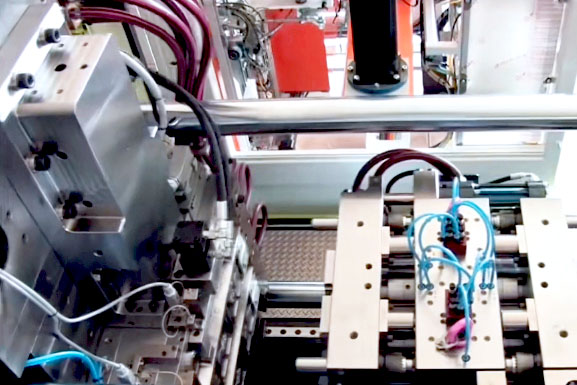
Đúc hai lần
Two-shot molding forms two materials or colors in a coordinated molding cycle. It can combine rigid and soft-touch features, but resin compatibility, tool design, and production volume determine whether it is practical.
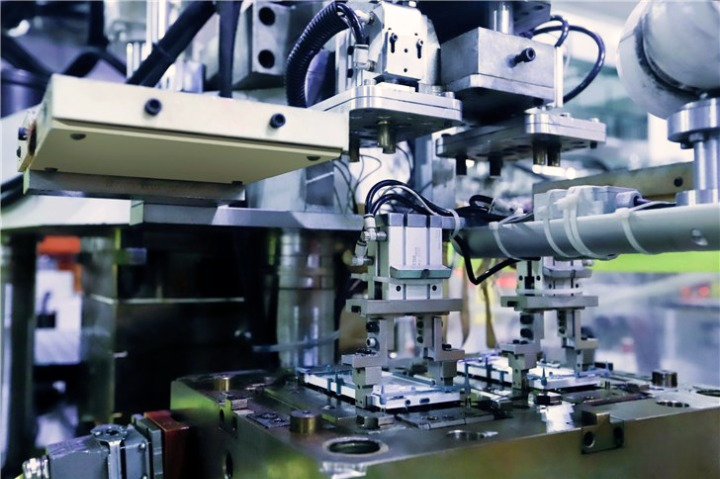
Công nghệ ép phun nano
Nano molding joins selected metals and thermoplastics after a controlled metal-surface treatment. The metal alloy, resin, pretreatment, bonding target, and validation method must be evaluated for the application.
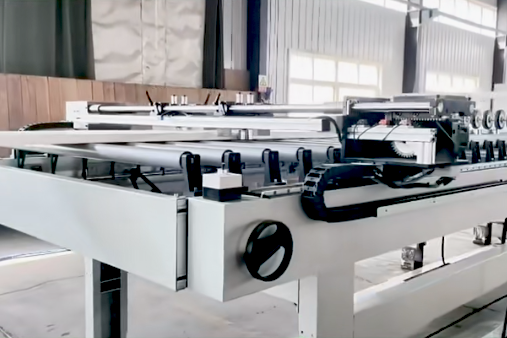
Đúc phủ
Overmolding forms a second resin or elastomer layer over a molded substrate or insert. Material compatibility, shutoff geometry, adhesion, and part handling must be confirmed during DFM.
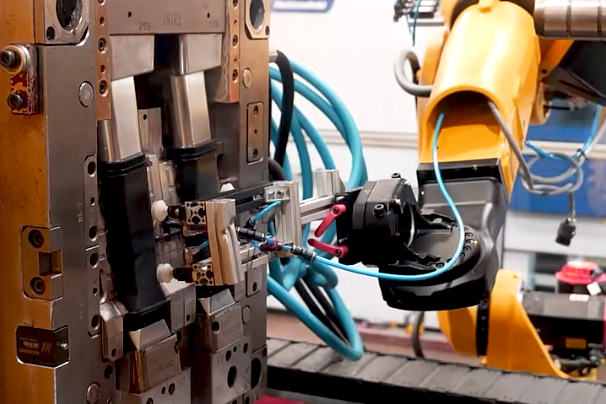
Ép phun
Quá trình ép phun đưa nguyên liệu thô dạng hạt hoặc bột vào phễu của máy ép phun, nơi nó được gia nhiệt và nung chảy. Vật liệu nóng chảy sau đó được bơm vào khoang khuôn thông qua vòi phun và hệ thống dẫn lưu, đông cứng để tạo thành hình dạng mong muốn.
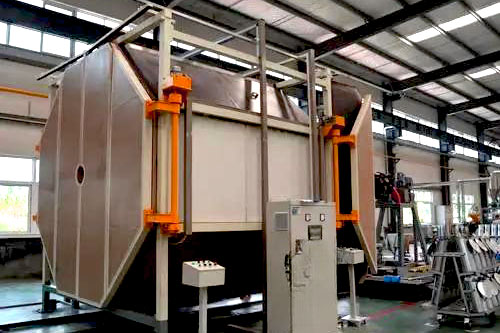
Đúc quay
Quá trình đúc quay bao gồm việc đưa nguyên liệu nhựa vào khuôn, sau đó khuôn được quay theo hai trục vuông góc với nhau trong khi được gia nhiệt. Quá trình này cho phép nhựa phủ đều toàn bộ bề mặt khuôn, tạo ra hình dạng mong muốn.
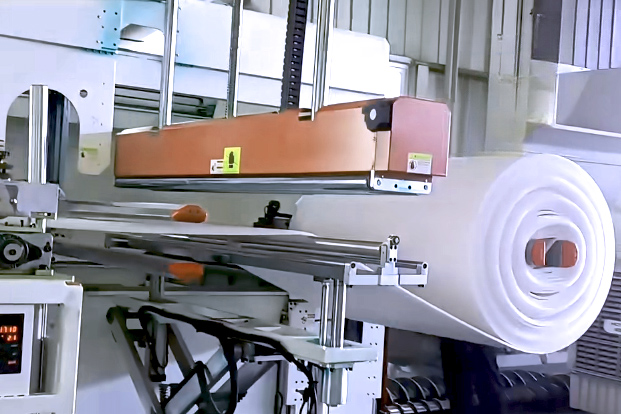
Đúc bọt kết cấu
Đây là quy trình sản xuất sử dụng khí nén để tạo ra các bộ phận nhẹ, bền với lõi xốp từ nhựa resin đã được nung chảy. Quy trình này được sử dụng để sản xuất các bộ phận lớn, có thành dày với độ bền cao và độ ổn định kích thước tốt, thường được ứng dụng trong ngành ô tô và xây dựng.
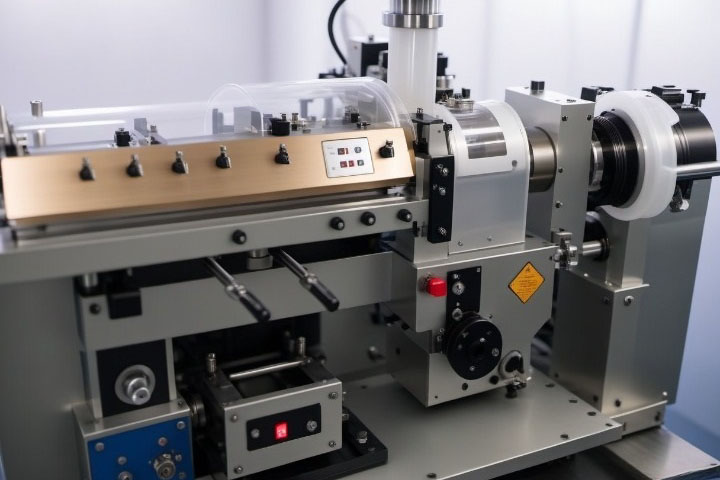
Đúc ép
Đúc ép là phương pháp chính được sử dụng để đúc các vật liệu nhiệt dẻo. Quá trình này bao gồm việc nung chảy vật liệu và đẩy nó qua một lỗ có hình dạng nhất định bằng cách sử dụng một trục vít quay. Sau khi định hình, vật liệu được làm mát và cứng lại để tạo ra sản phẩm cuối cùng.
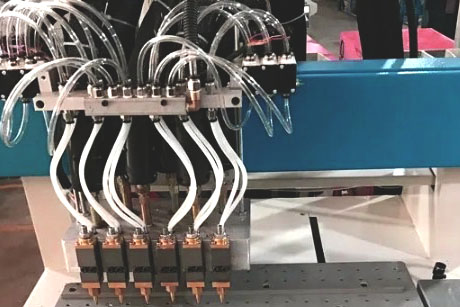
Đúc nhúng
Đúc nhúng tận dụng tính chảy của các polymer nhiệt dẻo trong điều kiện cụ thể, cho phép chúng được định hình thành các hình dạng mong muốn thông qua quá trình phun và đông cứng ở nhiệt độ phòng bằng các công cụ và phương pháp chuyên dụng.
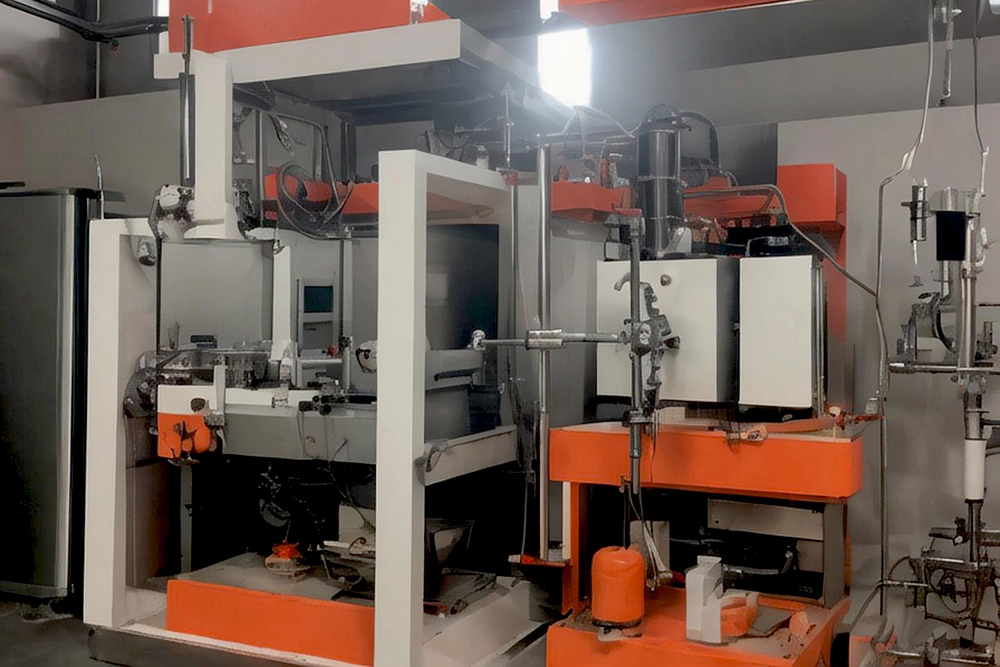
Ép nhiệt
Thermoforming, còn được gọi là ép chân không, là một phương pháp trong đó vật liệu tấm được làm nóng, ép chân không lên khuôn và làm lạnh để tạo ra các sản phẩm nhựa.
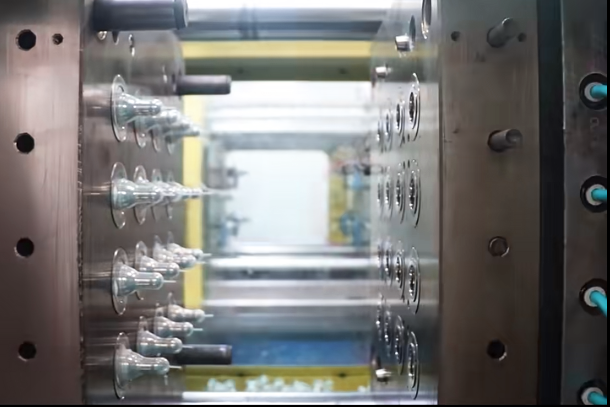
Ép phun
Còn được gọi là ép phun nén, quy trình này sử dụng áp suất của máy ép phun để trực tiếp phun vật liệu cao su đã được làm nóng từ thùng chứa qua vòi phun vào khoang khuôn, nơi nó trải qua quá trình lưu hóa để tạo thành hình dạng mong muốn.
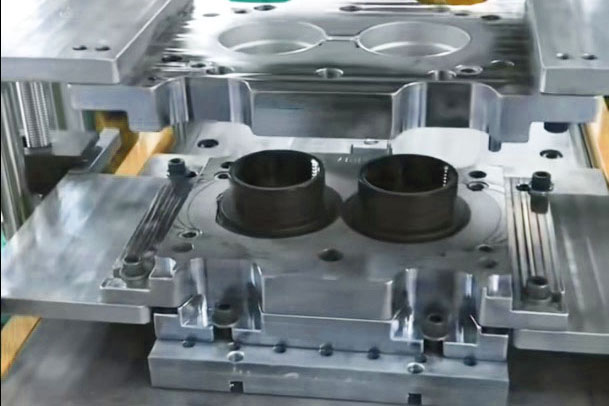
Ép đùn
Quá trình ép đùn cao su đặt các vật liệu cao su đã được xử lý trước vào khoang khuôn mở, sau đó khuôn được đóng lại và chịu áp lực và nhiệt độ trong máy ép vulcan hóa. Quá trình này khiến cao su được vulcan hóa và định hình.
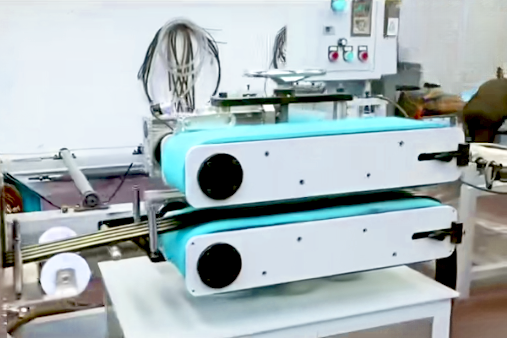
Đúc chuyển
Đúc chuyển, còn được gọi là đúc nén chuyển hoặc đúc đổ khuôn, đặt các dải cao su hoặc khối cao su đã được xử lý trước vào khoang khuôn chuyển. Cao su được nén bởi piston chuyển và ép vào khoang khuôn thông qua hệ thống dẫn lưu để tiến hành quá trình lưu hóa và định hình.
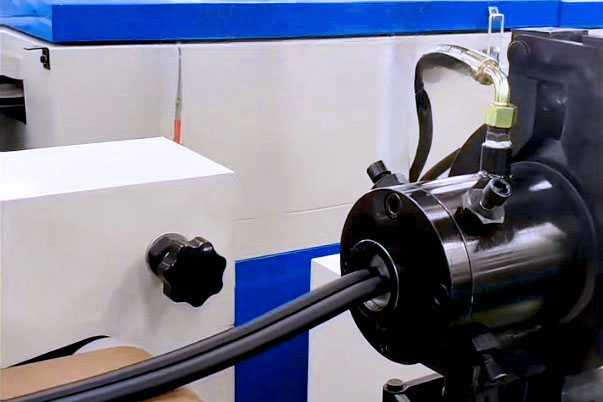
Đúc ép
Quá trình ép đùn cao su làm nóng và làm mềm cao su trong máy ép đùn, sau đó đẩy nó về phía trước bằng trục vít hoặc piston. Sau đó, nó ép đùn các sản phẩm bán thành phẩm khác nhau bằng khuôn ép đùn cao su để hoàn thành quá trình định hình.
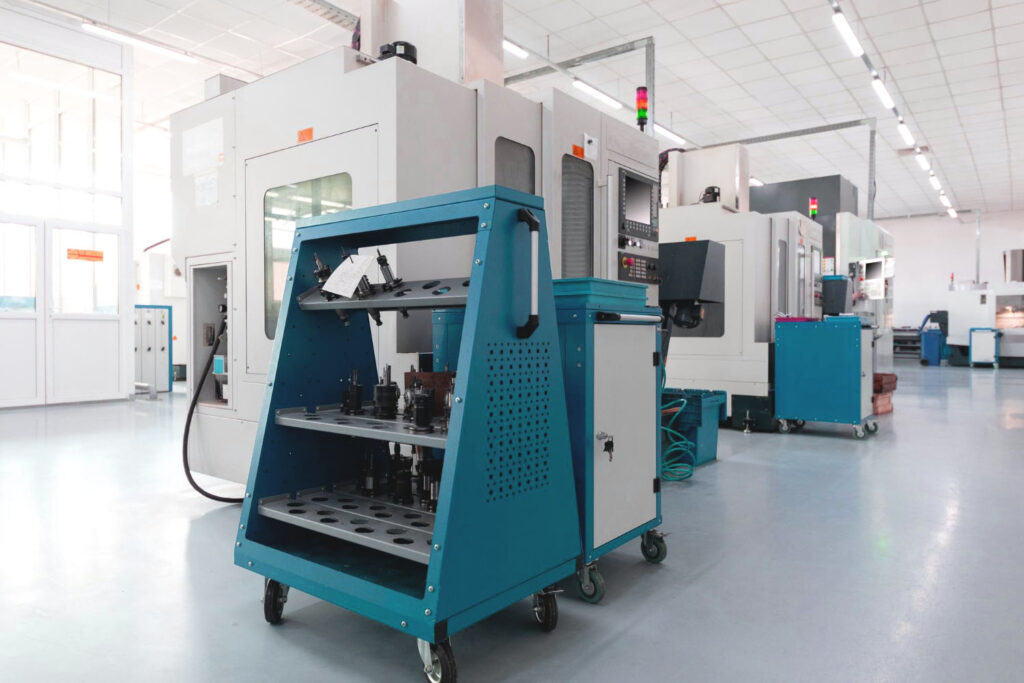
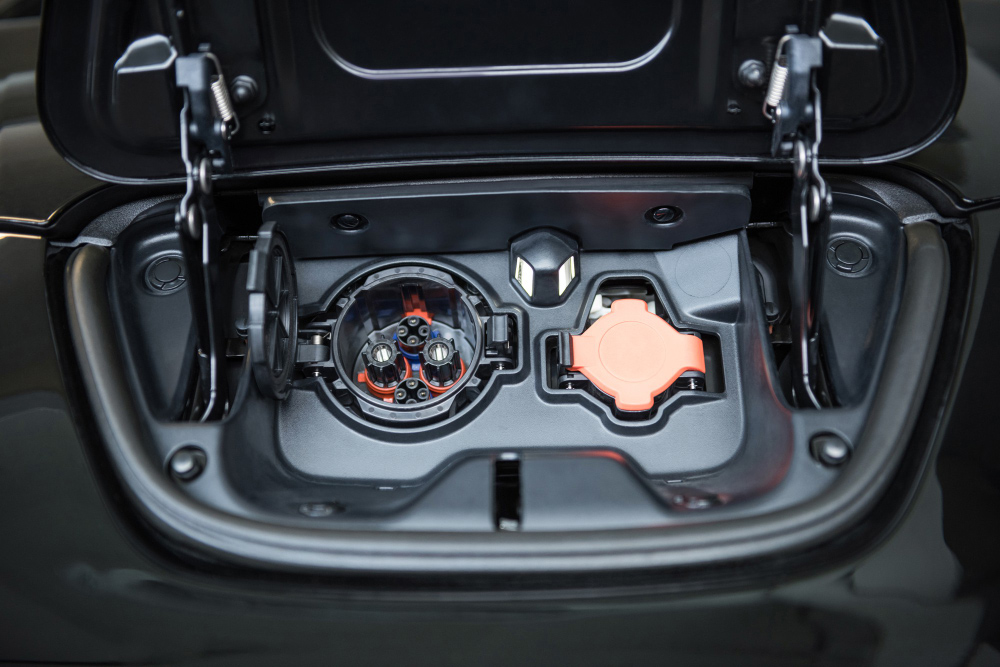
Ô tô
- Bảng điều khiển - Cản xe - Các tấm thân xe - Các tấm cửa - Các bộ phận trang trí (nội thất và ngoại thất) - Lưới tản nhiệt - Lỗ thông gió HVAC - Nắp động cơ - Lớp lót vòm bánh xe - Lớp bảo vệ gầm xe - Các bộ phận chiếu sáng (vỏ đèn pha, ống kính đèn hậu) - Nắp túi khí - Bệ tay - Giá để cốc - Các bộ phận bảng điều khiển trung tâm - Vỏ ắc-quy - Các bộ phận bình xăng - Vỏ gương ngoại thất - Giá đỡ trên mái - Lá chắn bùn
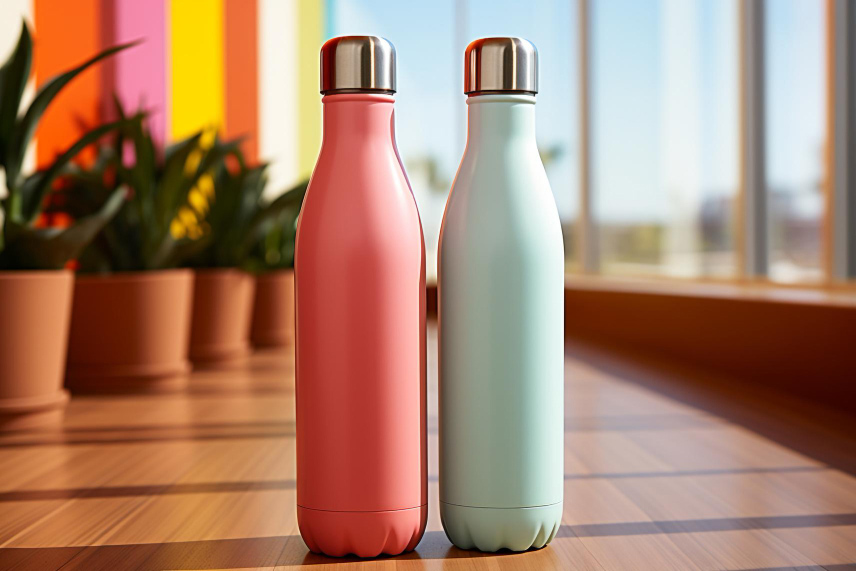
Ngành công nghiệp thực phẩm
- Cốc nước - Chai đựng nước - Khay - Hộp đựng - Nắp - Dụng cụ ăn uống (dao, thìa, dĩa) - Thành phần bao bì thực phẩm (nắp, khóa) - Phụ tùng thiết bị phân phối - Phụ tùng máy móc chế biến thực phẩm - Khuôn đúc tùy chỉnh cho sản phẩm thực phẩm đặc biệt
Electronics
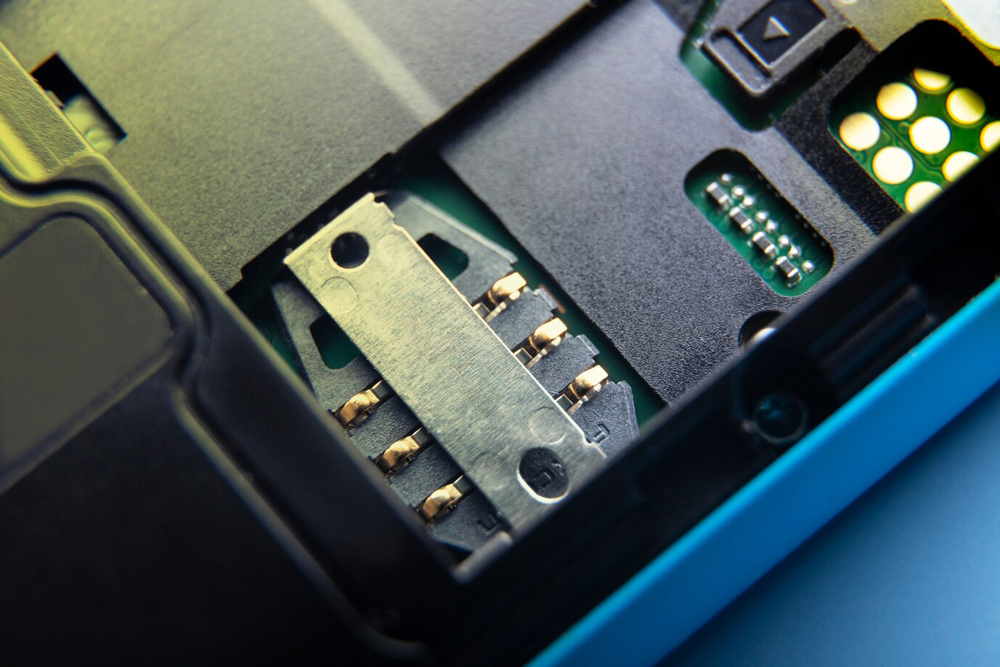
- Linh kiện bảng mạch (vỏ bảo vệ, giá đỡ, cổng kết nối) - Bàn phím (nút bấm, khung bàn phím) - Chuột (vỏ bảo vệ, nút bấm) - Vỏ bảo vệ cho laptop và tablet - Vỏ bảo vệ và ốp lưng cho điện thoại thông minh - Linh kiện thiết bị đeo (dây đeo đồng hồ, vỏ bảo vệ thiết bị theo dõi sức khỏe) - Linh kiện thiết bị âm thanh (vỏ loa, núm điều khiển) - Linh kiện máy ảnh (nắp ống kính, thân máy ảnh)
Y tế
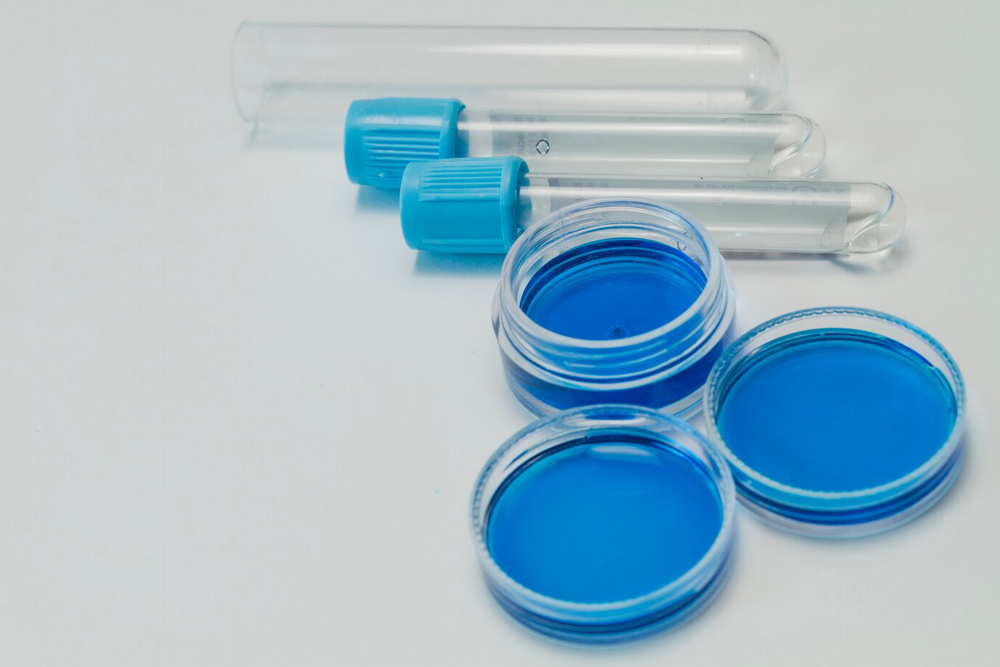
Diagnostic housings, laboratory consumable components, device enclosures, caps, connectors, and non-implant plastic parts, subject to material, cleanliness, traceability, and regulatory requirements defined by the customer.

Robotics
- Khung và vỏ robot - Bộ kẹp và bộ phận cuối - Nắp khớp và tấm chắn bảo vệ - Vỏ cảm biến và giá đỡ - Bộ mã hóa và thiết bị phản hồi - Giá đỡ động cơ và khung đỡ - Bảng điều khiển và bảng giao diện - Viền và nắp màn hình - Vỏ pin và giá đỡ pin - Vỏ camera và giá đỡ - Thành phần khung cho cánh tay robot - Kết nối điện và đầu nối - Bảng nền và khung đỡ
Building Products
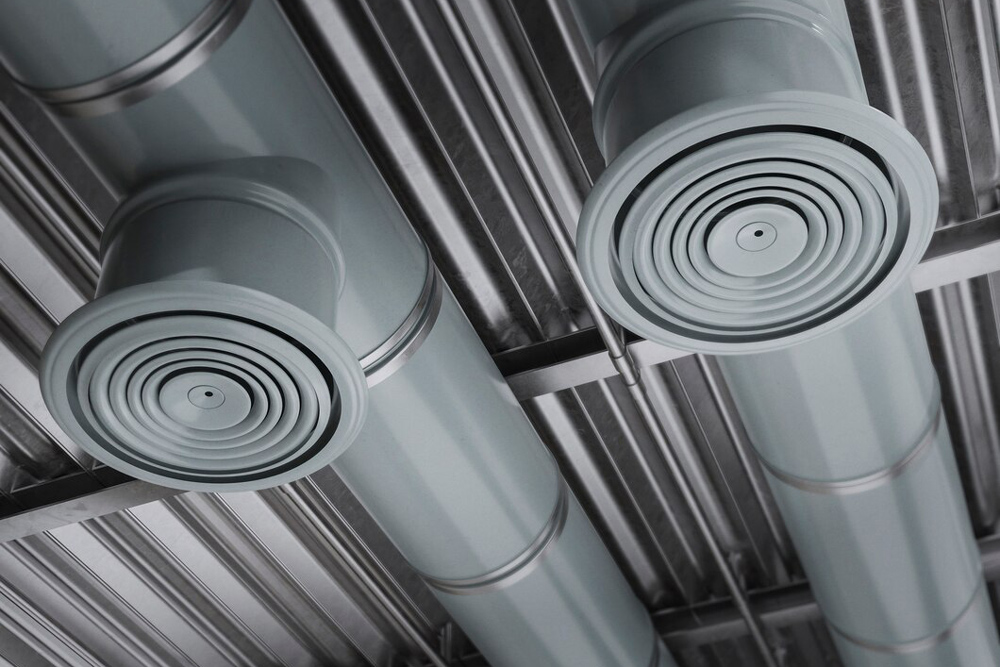
Fasteners, anchors, electrical boxes, protective covers, drainage fittings, hardware housings, and other repeat molded components designed for the required weather, flame, load, and installation conditions.