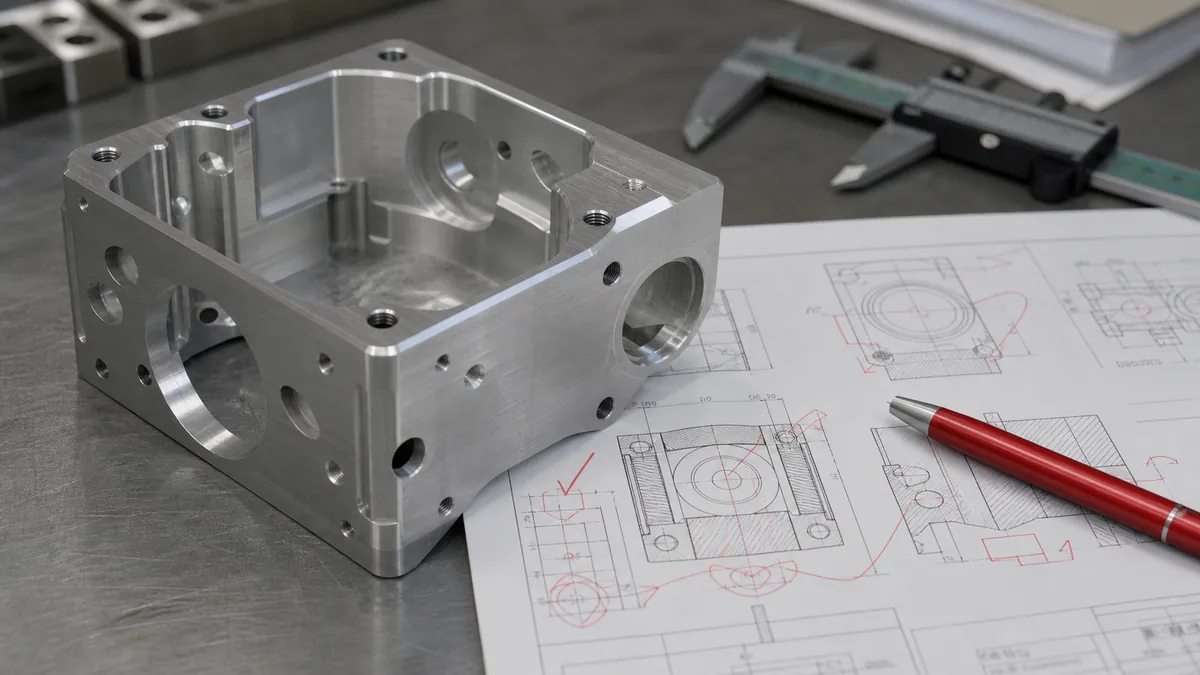
Corrosion-resistant CNC parts should be specified around the service environment, not around a vague material label. A part can fail because the alloy is wrong, the coating is damaged, dissimilar fasteners create galvanic corrosion, or a blind pocket traps cleaning fluid. A better RFQ tells the supplier what the part will touch, how it will be cleaned, which surfaces are critical, and what evidence is expected before shipment.
This guide helps buyers choose material, finish, masking, and inspection requirements without over-specifying every machined surface.
Start with the real exposure
The first decision is the environment. Indoor dry equipment, outdoor brackets, washdown fixtures, marine hardware, chemical handling, and electronics housings create different corrosion risks. Stainless steel, anodized aluminum, plated steel, brass, bronze, and engineering plastics can all be correct in the right context, but none of them is automatically correct without exposure details.
| Exposure question | Why it matters | RFQ wording to use |
|---|---|---|
| Will the part see salt, sweat, or chloride cleaner? | Chlorides can drive pitting or staining on the wrong metal or finish. | Part may contact chloride cleaner; recommend material and finish. |
| Will moisture be trapped after assembly? | Crevices, blind holes, and seams can hold water long after the outside dries. | Review drain paths and corrosion traps around pockets and fasteners. |
| Will dissimilar metals touch? | Galvanic corrosion can occur when two metals contact in a wet environment. | Part bolts to stainless fasteners and painted steel frame. |
| Does coating thickness affect fit? | Anodizing, plating, and paint can change holes, threads, and bearing seats. | Mask threaded holes or confirm post-finish thread condition. |
| Is appearance part of acceptance? | Cosmetic staining may be acceptable on hidden faces but not customer-visible faces. | Face A is visible; hidden faces need functional protection only. |
Choose material and finish as one system
Material and finish should be selected together. Aluminum may need anodizing, hardcoat, or conversion coating. Stainless steel may need passivation after machining and cleaning. Carbon steel usually needs plating, painting, black oxide with oil, powder coating, or another protective finish if moisture is present. Engineering plastics avoid rust, but they introduce creep, strength, temperature, and chemical-compatibility tradeoffs.
| Option | Where it fits | Procurement caution |
|---|---|---|
| 6061 aluminum + anodizing | Lightweight brackets, housings, covers, and moderate corrosion exposure. | Define color, cosmetic faces, masking, and whether dimensions apply after finish. |
| Hardcoat anodized aluminum | Wear plus corrosion protection on aluminum parts. | Check coating buildup on bores, threads, and close-clearance features. |
| 304/316 stainless steel | Washdown, outdoor, food equipment, and moisture-prone assemblies. | Do not treat all stainless grades as equal for chloride or chemical exposure. |
| Carbon steel + plating or coating | Higher strength or lower material cost where the coating provides protection. | Unprotected threads, scratches, and cut edges can rust quickly. |
| Engineering plastic | Chemical or electrical applications where metal corrosion is unacceptable. | Review load, temperature, creep, moisture absorption, and thread strength. |
Design details can defeat the material choice
Many corrosion problems start with geometry rather than the material datasheet. Sharp burrs can break through coating. Blind threaded holes can trap fluid. Tight crevices can hold salt water. Rough tool marks can stain faster than smooth surfaces. If the part is cosmetic, handling marks before finishing can also show through after anodizing or coating.
- Add drain paths where water, coolant, or cleaning fluid can collect.
- Use edge breaks before coating so burrs do not become corrosion starting points.
- Call out masked threads, sealing faces, grounding points, and bearing seats.
- Separate visible cosmetic faces from hidden functional faces.
- Confirm whether dimensions apply before or after finishing.
- Tell the supplier which fasteners and mating materials touch the part.
Do not solve every corrosion problem with a stronger alloy
Over-specifying material can create new problems. A more corrosion-resistant alloy may machine slower, cost more, be harder to source in the required stock size, or behave differently during finishing. In many projects, better drainage, isolation from dissimilar fasteners, a controlled coating, or clearer cleaning requirements solves the real risk with less cost.
Before upgrading material, identify the failure mode: red rust, white aluminum corrosion, pitting, staining, coating peel, or galvanic attack around fasteners. That distinction helps the supplier recommend a targeted fix instead of an expensive material change.
Inspection evidence should match the failure risk
Low-risk indoor parts may only need visual finish confirmation and dimensional inspection. Outdoor, washdown, or customer-facing parts may need material certificates, finish certificates, coating thickness checks, visual sample approval, or corrosion test references. The point is not to request every document. The point is to ask for evidence that matches the cost of failure.
| Evidence | When it helps | What to clarify |
|---|---|---|
| Material certificate | Grade-sensitive stainless, aluminum, or plated steel parts. | Grade, stock condition, and whether substitutions are allowed. |
| Finish certificate | Anodizing, passivation, plating, paint, or powder coating orders. | Finish type, color, class or thickness requirement, and batch reference. |
| Coating thickness check | Tight fits, threaded features, and corrosion-critical coated surfaces. | Measured locations and acceptance range. |
| Visual sample approval | Customer-visible parts or color/texture-sensitive surfaces. | Acceptable color range, gloss, stains, scratches, and handling marks. |
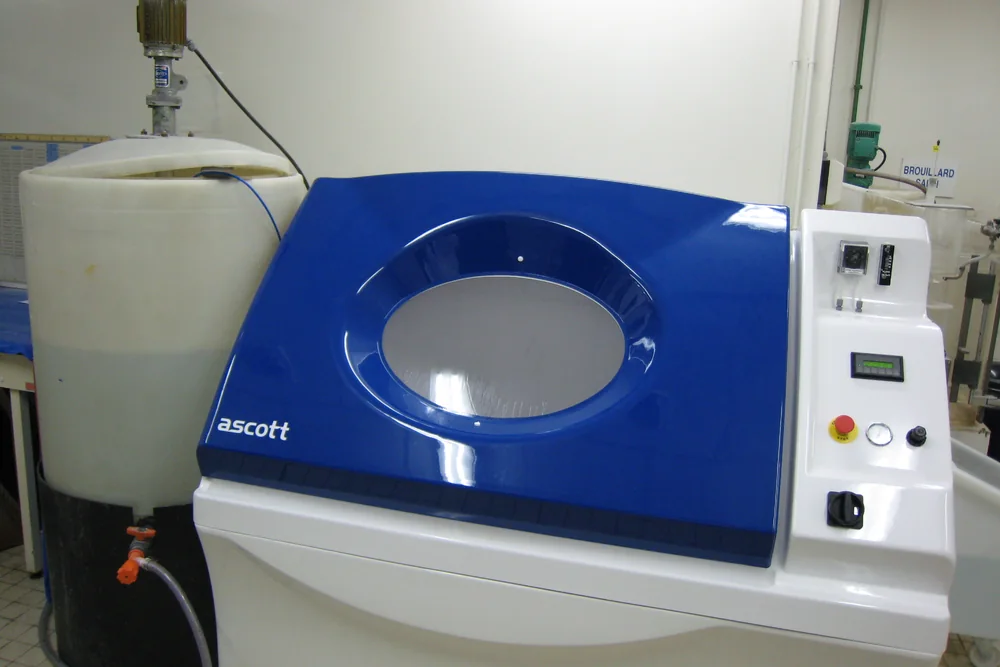
| Salt spray or corrosion reference | Outdoor or high-risk validation work. | Whether it is validation evidence or required for every batch. |
RFQ checklist for corrosion-resistant CNC parts
- CAD model and controlled drawing revision.
- Material grade, allowed alternatives, and stock condition if important.
- Service environment, cleaning chemicals, temperature, and moisture exposure.
- Finish type, color, thickness expectation, and masked areas.
- Critical dimensions that apply after finishing.
- Mating metals, fasteners, and electrical contact requirements.
- Inspection report, certificate, sample approval, or test reference requirements.
For related decisions, compare CNCMAVEN guides on stainless steel CNC machining, electroless nickel plating, and surface finish selection.
FAQ
Is stainless steel always the best corrosion-resistant CNC material?
No. Stainless steel is useful in many environments, but anodized aluminum, plated steel, brass, bronze, or engineering plastics may be better depending on weight, strength, exposure, cost, and geometry.
Should corrosion protection be specified before machining?
Yes. The finish can affect tolerances, masking, edge condition, cleaning, inspection, and price, so it should be included before quoting.
What causes corrosion on finished CNC parts?
Common causes include wrong material, damaged coating, trapped moisture, galvanic contact, unprotected threads, poor cleaning, and exposure that was not described in the RFQ.
Conclusion
Corrosion-resistant CNC parts are specified by environment, geometry, material, finish, and inspection evidence. Define exposure and critical surfaces before production starts. That gives the supplier enough information to protect the part without adding unnecessary material cost or finish complexity.