Introduction
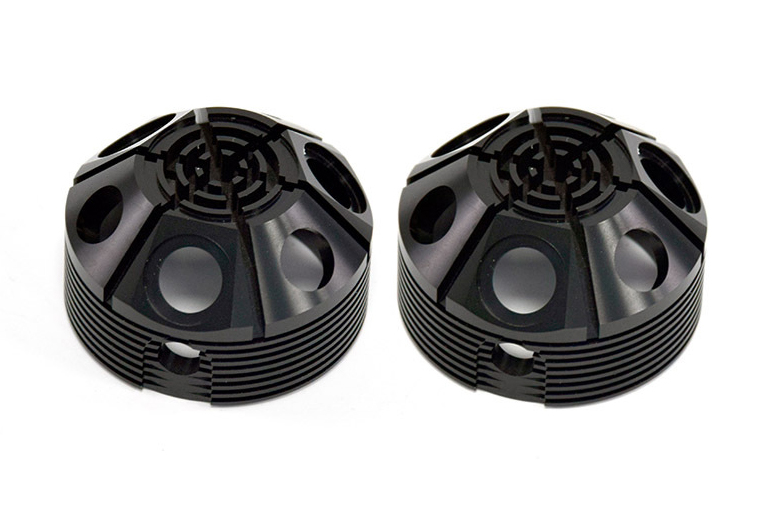
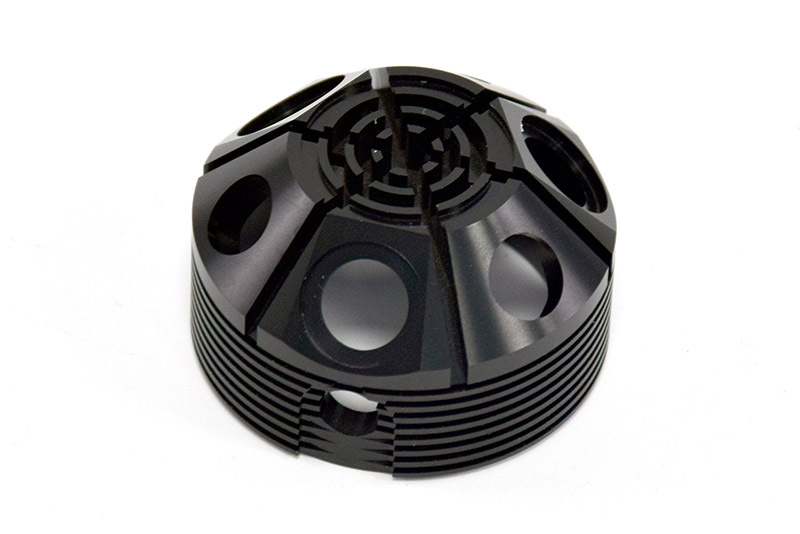
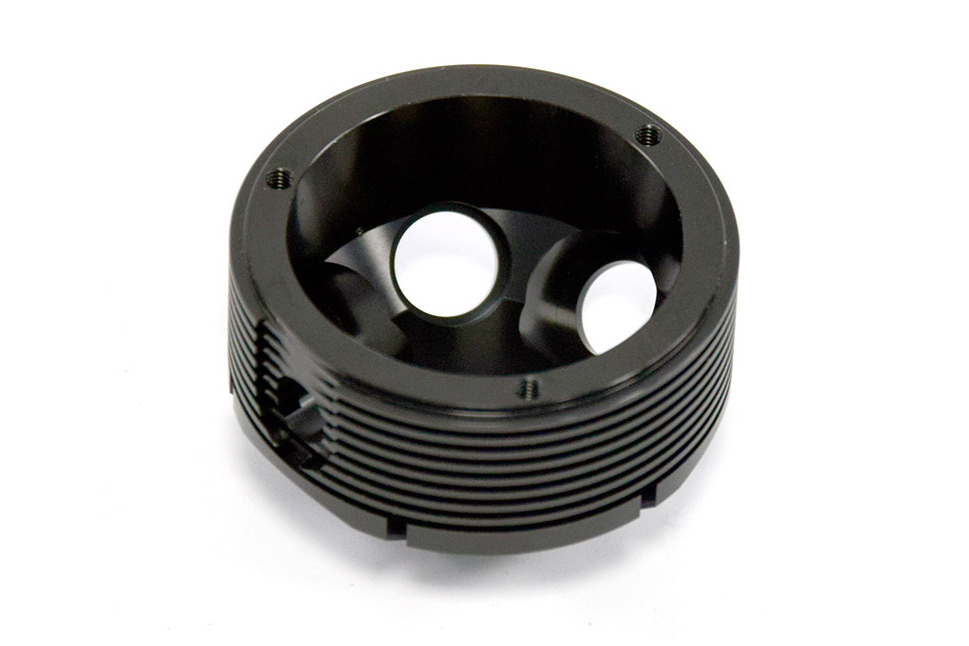
De connectorcomponent van FPV elektronische apparatuur is een goed ontworpen cirkelvormig object dat wordt gebruikt in FPV (First Person View) elektronische apparaten als kritisch onderdeel voor verbinding, ondersteuning of signaaloverdracht. Het heeft meerdere concentrische groeven en gaten op het oppervlak, zodat elektrische signalen, datalijnen of andere vloeistoffen ongehinderd kunnen worden doorgegeven en het apparaat stabiel en betrouwbaar presteert. Bovendien zorgt het overzichtelijke en nauwkeurige ontwerp voor uitstekende prestaties tijdens gebruik op hoge snelheid of in complexe omgevingen.
Manufacturing Specifications:
| Objects | Value |
|---|---|
| Materiaal | High-quality aluminum alloy |
| Machining Dimensions |
Overall Diameter: φ50mm Overall Thickness: 15mm Large Circular Hole Diameter: φ20mm Small Circular Hole Diameter: φ5mm Groove Depth: 3mm Groove Spacing: 5mm |
| Machining Tolerances |
Diameter Tolerance: ±0.02mm Thickness Tolerance: ±0.01mm Hole Diameter Tolerance: ±0.01mm Groove Depth Tolerance: ±0.01mm |
| Machining Accuracy |
Surface Roughness (Ra): Less than 0.8 micrometers Hole Positioning Accuracy: ±0.01mm Smooth edges with no burrs |
| Machining Equipment |
High-speed precision CNC milling machine CNC drilling machine Precision measuring instruments |
| Surface Treatment | Anodizing, deburring |
| Application Area | FPV devices such as drones, remote-controlled cars, etc. |
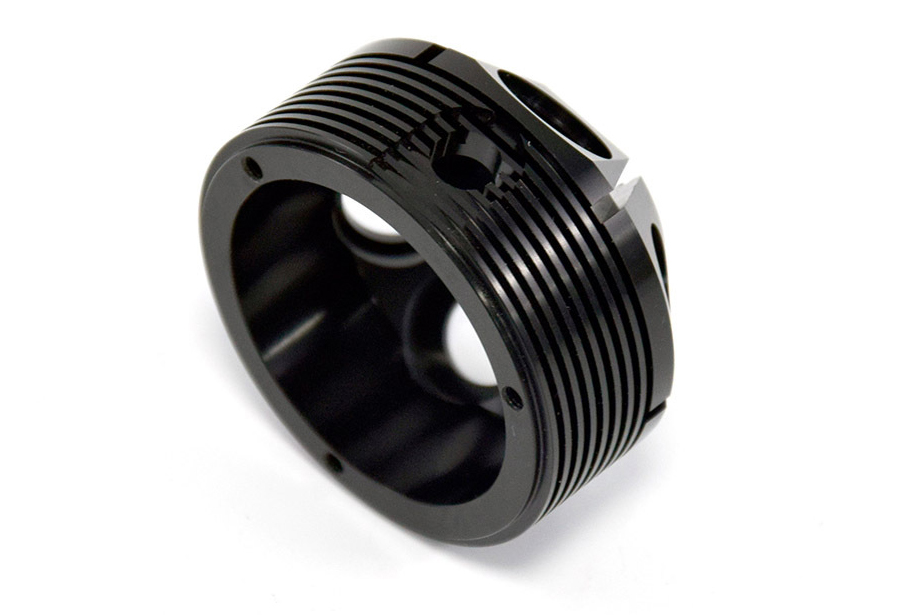
CNC-bewerkingsproces
a. Design Phase: The part’s three-dimensional model is first designed using professional CAD software, considering the performance and working environment of FPV devices, and detailed planning of the part’s structure, dimensions, and materials.
b. Programming Phase: Based on CAD design, machining programs are generated using CNC programming software to ensure accuracy and efficiency during the machining process.
c. Material Preparation: High-strength, wear-resistant metal materials are selected as processing raw materials to ensure the durability and stability of the part.
d. Fixture Design: Specialized fixtures are designed to ensure stability and accuracy during the machining process.
e. Machining Phase: The material is placed into CNC machine tools, and machining is performed according to the programmed process, including milling, drilling, tapping, etc., accurately machining each part of the component.
f. Quality Inspection: After machining, strict quality inspections are conducted on the part, including dimensional measurements, surface finish checks, etc., to ensure that the part’s quality meets design requirements.