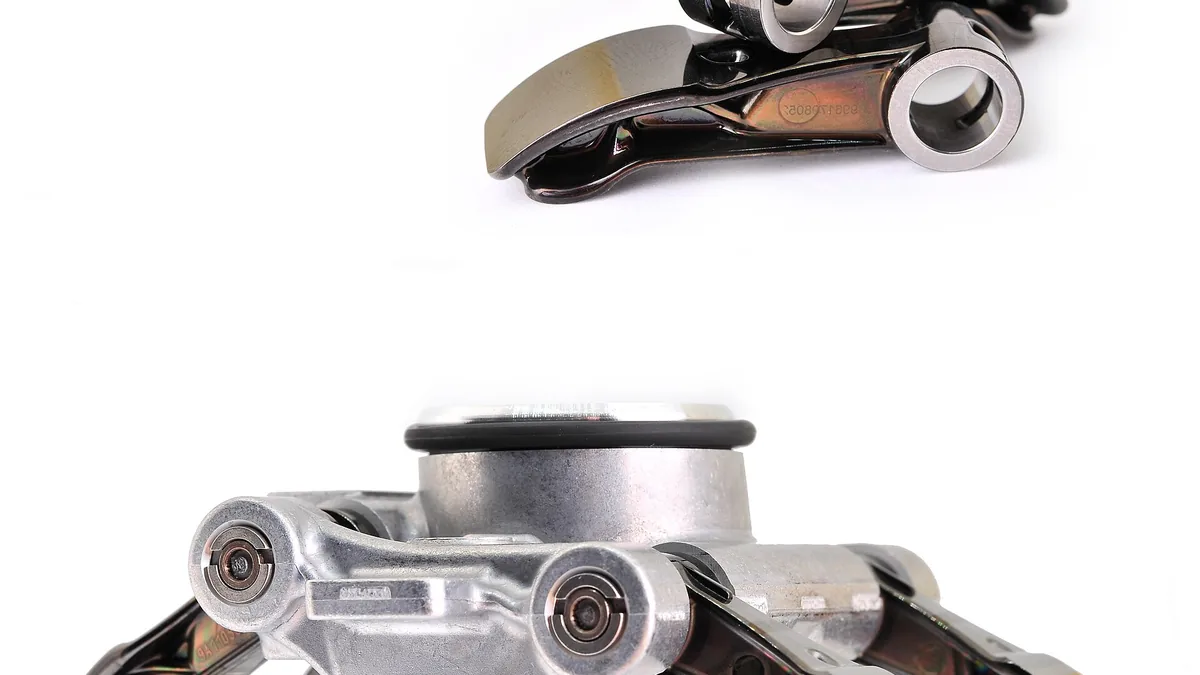
Metal injection molding is attractive when a small metal part is too complex or too expensive to machine at volume. It borrows the shape freedom of plastic injection molding, then uses debinding and sintering to turn molded feedstock into a dense metal component.
For CNC buyers, the important question is not whether MIM is better. The useful question is where MIM reduces cost and where CNC machining still protects tolerance, flexibility, surface finish, and low-volume speed.
What metal injection molding actually does
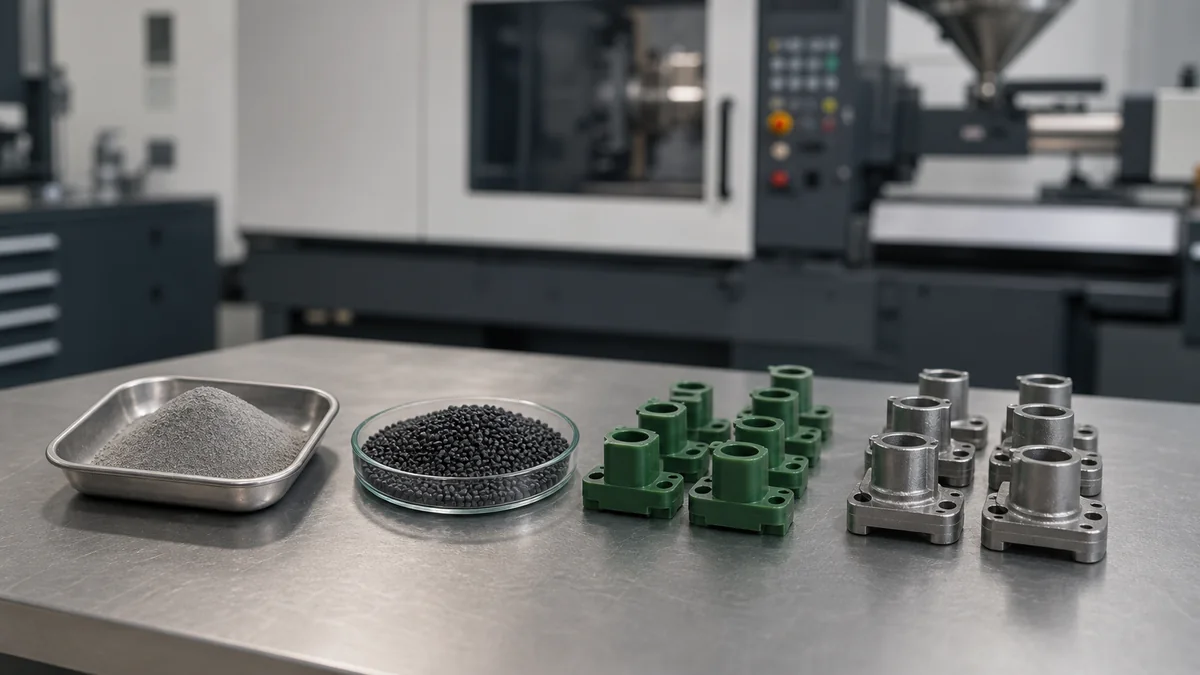
Metal injection molding, often shortened to MIM, mixes fine metal powder with a polymer binder so the material can be molded like plastic. After molding, the binder is removed and the part is sintered so the metal particles fuse into a solid component.
Where MIM wins over CNC machining
MIM is strongest when the part is small, geometrically complex, produced in high volume, and tolerant of a dedicated tooling investment. Thin ribs, small internal shapes, complex curves, and repeated miniature components are common reasons teams evaluate MIM.
| Decision factor | MIM tends to fit when… | CNC tends to fit when… |
|---|---|---|
| Volume | Annual demand can amortize tooling. | Prototype, bridge production, or variable demand. |
| Geometry | Small complex shapes repeat many times. | Features need tight positional control or easy design changes. |
| Tolerances | Standard molded and sintered tolerance is acceptable. | Tight tolerance datums or flatness are critical. |
| Lead time | Tooling lead time is acceptable. | Parts are needed quickly without hard tooling. |
Where CNC machining remains the safer choice
CNC machining is usually safer for prototypes, low-volume parts, parts with frequent design changes, or features that need tight tolerances after every revision. It also gives engineers more direct control over critical datums, threads, sealing faces, and flatness.
Design checks before choosing MIM
- Confirm volume: MIM rarely makes sense if tooling cannot be amortized.
- Identify critical tolerances: Plan secondary machining for features that cannot move during sintering.
- Review material options: Not every machined alloy has a direct MIM equivalent.
- Check surface expectations: Cosmetic or sealing surfaces may still need finishing.
- Plan inspection datums: Shrinkage during sintering makes datum strategy important.
When to ask CNCMAVEN about the choice
If you are unsure whether MIM or CNC machining fits your part, start by separating prototype needs from production needs. CNCMAVEN can help evaluate whether a machined prototype should stay machined, move to molding later, or combine CNC secondary operations with another process.
FAQ
Is metal injection molding cheaper than CNC machining?
It can be cheaper at high volume, especially for small complex parts, but tooling and process setup must be amortized. CNC machining is often more economical for prototypes and low-volume production.
Can MIM parts be machined after sintering?
Yes. Secondary CNC machining is common when a MIM part needs tighter datums, threads, sealing faces, or specific surface finishes.
Is MIM good for large metal parts?
MIM is usually best for small components. Larger parts increase material, tooling, shrinkage, and sintering challenges, so CNC machining, casting, forging, or fabrication may be better.
Conclusion
Metal injection molding can be a strong production method for small, complex metal parts, but it is not a replacement for CNC machining in every case. Use MIM when volume and geometry justify tooling; use CNC when tolerance control, iteration speed, and low-volume flexibility matter more.